As we move through the first quarter of 2026, the pulses market in India is undergoing a massive transformation. With the government’s push for “Aatmanirbharta” (self-reliance) in pigeon peas (Toor) and chickpeas (Chana), the landscape for domestic buyers has shifted from simple “buying and selling” to a high-stakes game of quality precision and policy-watching.
Whether you are a retail chain owner, a catering giant, or a regional wholesaler, your success this year depends on three pillars: Quality Assurance, Immediate Availability, and Navigating Government-Regulated Pricing.
1. Quality is the New Currency: Beyond the Basics
In 2026, the Indian consumer is more health-conscious than ever. The demand for “loose, dusty pulses” has plummeted, replaced by a surge in searches for Machine Sortex Clean Toor Dal.
The Sortex Revolution
Why is “Sortex” the keyword on every trader’s lips? Digital color sorting ensures that every grain of Toor Dal is uniform in size, color, and free from stones or discolored pits. For a domestic buyer, investing in Sortex-cleaned stock means zero wastage and higher shelf appeal.
The Rise of Unpolished Moong Dal Wholesale
Health trends have shifted the focus back to traditional processing. We are seeing a massive uptick in demand for Unpolished Moong Dal wholesale. Unlike the shiny, oil-treated versions of the past, unpolished dal retains its natural fiber and nutrient profile. If you are a supplier, highlighting “zero polish” is your fastest route to capturing the premium urban market.
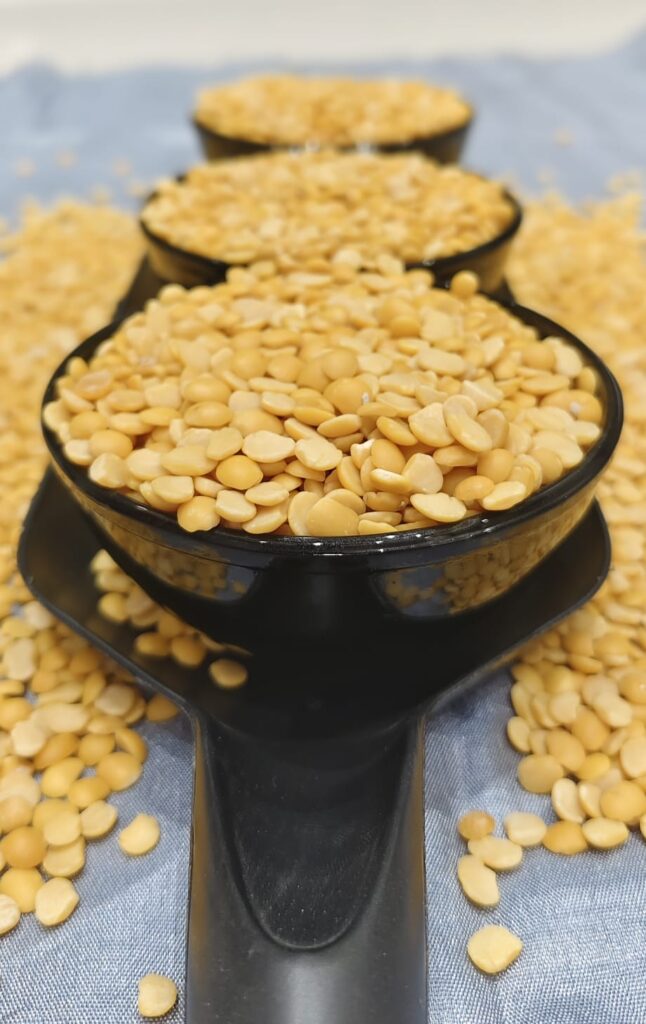
Technical Precision: 99% Purity Bold Chana
For those in the snacks and flour (Besan) industry, the requirement has become highly technical. Buyers are no longer asking for “good Chana”; they are searching specifically for 99% Purity Bold Chana. This specification ensures that the recovery rate during milling is maximized, directly impacting the bottom line of Dal millers in Maharashtra and MP.
2. Navigating the 2026 Pricing Maze
Pricing in 2026 is no longer just about supply and demand; it’s about real-time data integration.
The Daily Pulse: Today’s Mandi Rate for Chana
With the Rabi harvest peaking in February and March, the Today’s Mandi Rate for Chana is the most volatile metric in the market. Successful traders are no longer waiting for the evening newspapers. They are using real-time apps and API-linked dashboards to track arrivals in key hubs like Akola, Latur, and Indore.
Understanding MSP for Pulses 2025-26
The MSP (Minimum Support Price) for pulses 2025-26 acts as the psychological floor for the market. With the government aggressively procuring to maintain buffer stocks, the gap between the Mandi rate and MSP is narrower than ever. For a buyer, purchasing near the MSP is a “safe-entry” strategy, ensuring that even if the market dips, the floor is protected by government intervention.
NCDEX Chana Live Spot Quotes
For the modern trader, the NCDEX Chana live spot quotes serve as the North Star. Even if you aren’t trading futures, the NCDEX sentiment dictates how local millers will price their stock for the next 48 hours. Monitoring these quotes allows domestic buyers to time their bulk purchases, avoiding the “heat” of mid-day price spikes.
3. The “Bharat Dal” Phenomenon and Policy Impact
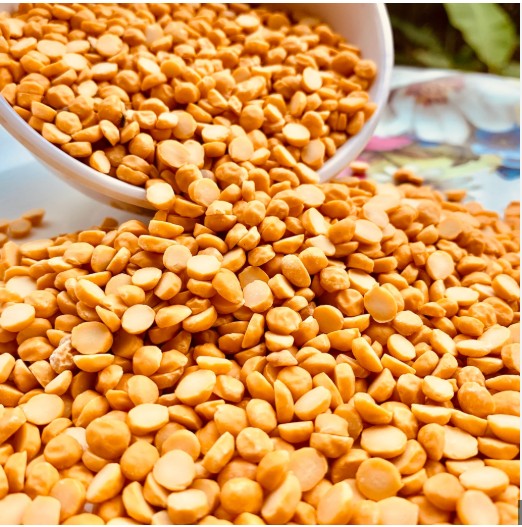
One cannot discuss the 2026 pulses market without mentioning the government’s retail intervention. The Bharat Dal price list 2026 has become a benchmark for affordable nutrition.
While Bharat Dal (subsidized Chana Dal) serves the price-sensitive segment, it has forced private traders to become more competitive. As a domestic buyer, you must balance your inventory between high-margin Organic pulses suppliers India and high-volume, price-competitive daily staples.
Industry Note: The availability of Bharat Dal often caps the maximum price private players can charge for standard grades, making quality differentiation (like Sortex or Organic) even more vital for profitability.
4. Strategic Sourcing: Where to Buy?
Location is everything. If you are looking for Dal millers in Maharashtra/MP, you are looking at the heart of India’s pulse basket.
- Maharashtra (Latur/Solapur/Akola): The undisputed king of Toor Dal. Sourcing directly from millers here ensures you get the “Fatka” variety that is prized across South and West India.
- Madhya Pradesh (Indore/Itarsi): The hub for Chana and Masoor. MP’s proximity to central logistics makes it the ideal spot for sourcing Pulses 50kg bag price deals that include optimized freight costs.
For smaller businesses, the search term “Wholesale pulses market Near Me” often leads to local mandis, but the trend in 2026 is shifting toward “Direct-from-Mill” sourcing via B2B digital platforms to save on the 2-3% commission agent fees.
5. Bulk Intent: Catering and Institutional Supply
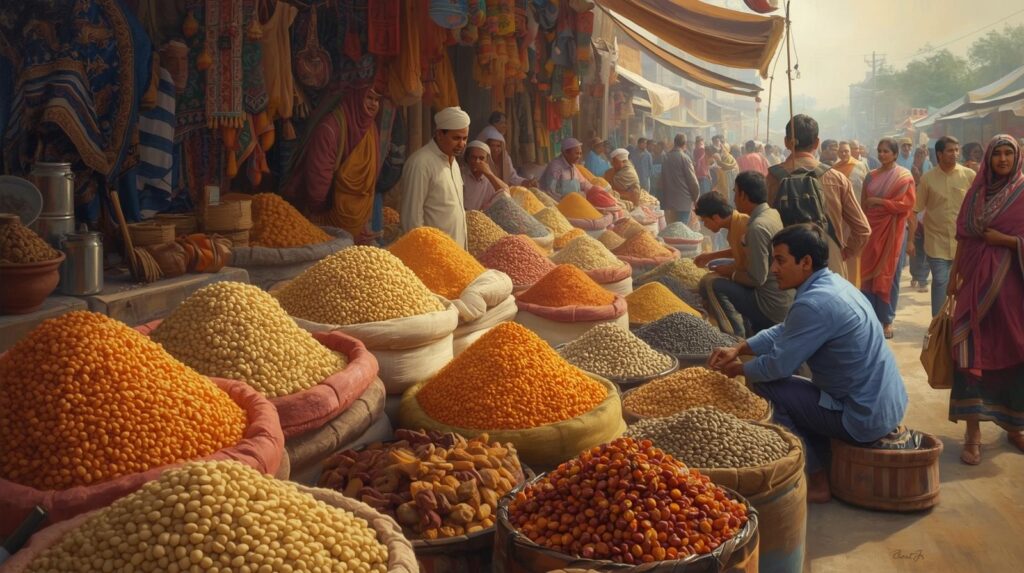
The hospitality and catering sectors have unique needs. A wedding caterer isn’t looking for a 1kg pouch; they are looking for a Bulk Toor Dal for catering contract that guarantees consistency.
Consistency is the biggest pain point in bulk supply. If the first 50 bags cook in 15 minutes but the next 50 take 25 minutes, the caterer loses money and reputation. This is why Pulses 50kg bag price transparency and batch-testing have become standard requirements for institutional contracts in 2026.
6. The Future: Organic and Sustainable Sourcing
Finally, the “Green” wave has reached the pulses sector. Organic pulses suppliers India are seeing a 20% year-on-year growth. Buyers are now willing to pay a 15-25% premium for pulses that come with pesticide-free certification and traceability back to the FPO (Farmer Producer Organization).
Conclusion: Your 2026 Action Plan
To thrive in the current pulses market, you must move faster than the data.
- Prioritize Quality: Move your inventory toward Machine Sortex Clean and Unpolished varieties.
- Monitor the Floor: Keep the MSP for pulses 2025-26 as your baseline and track Today’s Mandi Rate for entry points.
- Source Direct: Build relationships with Dal millers in Maharashtra and MP to bypass unnecessary middleman costs.
The 2026 season is full of opportunity for those who value purity as much as they value the price.
hi